Villa Automation

Run lighting, climate, garden irrigation, the pool, cameras and gates from one app. Every floor and the whole garden on a single system.

  • Every floor and the garden in one app
  • Zoned garden irrigation
  • Pool pump and pool lighting control
  • Floor-by-floor and room-by-room climate
How it works at home

Villa Automation in everyday life

In a flat, a smart home means a few rooms and a handful of scenes. A villa is a bigger job: two or three floors, a basement, a garden, perhaps a pool, a garage and a driveway gate. When each of these has its own remote or app, the owner ends up with six apps on their phone. Villa automation is about bringing those pieces together into one system.

Home control07:00

Every floor and the garden in one app

01/05

One system, one interface

The aim is simple: see everything inside and outside the house from the same panel and the same app. In the morning, the kitchen panel shows whether the irrigation ran last night, what the pool pump is doing and whether the garden gate is closed. When you leave, one button switches off the lights on every floor, sets the climate system to eco mode and arms the alarm.

For that to work, all the systems need to speak a common language or at least meet in one central controller. Some devices connect directly; others can only join through a gateway. During the site visit we work out how each device will connect.

Villa Automation
Villa Automation · Samsun
02/05

Outdoors

Garden irrigation

Once the irrigation valves are connected, the garden is split into zones and each zone runs on its own schedule. The lawn is watered early in the morning, the flower beds in the evening. Add a rain sensor or weather data and the system skips watering on rainy days, so you are not watering the garden in a wet week.

The pool

The pool pump, filtration times, pool lights and any heater can all be automated. On a time-of-use electricity tariff, the pump can run during the cheaper hours, and the pool lights come on with the evening garden scene. Some chlorine and pH monitoring equipment can share its readings too, depending on the make and the connection options.

Outdoor lighting

When the garden path, tree uplighters, facade and pool surround are on separate circuits, they can come on in sequence at sunset, with only the path lights left on after midnight. Motion sensors light up the relevant area when someone walks through the garden at night. See smart lighting control for more detail.

Cameras, gates and the front door

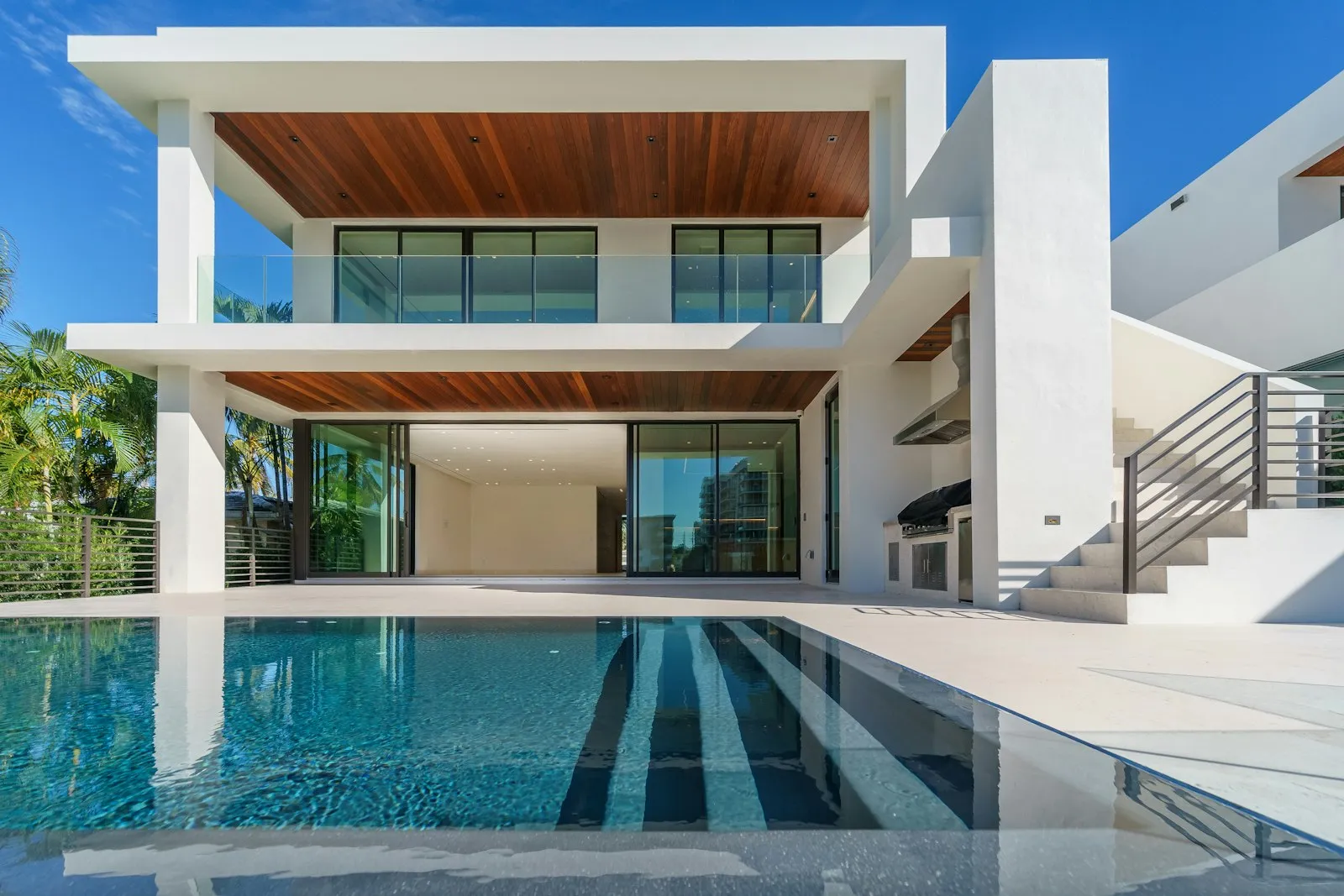
At a villa, the perimeter matters more than it does in a flat. Cameras along the garden wall, a video doorbell and motor on the gate, and a smart lock on the front door can all work as one system: the bell rings, you see who is there, you open the gate, and by the time the visitor reaches the front door the entrance lights are already on. Opening the garage and gate from your phone as you drive up is part of the same flow.

03/05

Climate across several floors

Temperature differences between floors are common in villas. Warm air rises, so the top floor heats up in summer while the basement stays cool in winter. A single thermostat cannot handle that. When each floor, or even each room, becomes its own zone with its own temperature sensor, underfloor heating, radiators or air conditioning can be set separately for each one. An unused guest room waits at a low temperature and warms up the day before guests arrive. We cover this in more detail on the smart climate control page.

04/05

Where KNX fits in a villa

At villa scale, a wired system is usually the more solid foundation. KNX is an open standard that brings lighting, blinds, climate, sensors and security devices onto a single data cable, and many manufacturers make KNX products, so you are not tied to one brand. Because it is wired, KNX does not suffer from the range problems wireless systems can have between thick concrete floors.

KNX costs more and needs more planning than wireless systems, and it is best installed during construction or a full renovation. In an existing villa, a hybrid setup that combines wireless products with KNX is also possible. We make that choice with you based on the state of the house. For more, see KNX home automation.

05/05

Things to plan for

  • Cables and devices in the garden need to handle soil, water and damp.
  • Every part of the property, including the gate, needs a solid Wi-Fi or wired network connection.
  • A UPS keeps cameras and network equipment running for a while during a power cut.
  • Panels should be simple enough for children and older family members to use without help.

If you would like to put together an automation plan for your villa, get in touch. We can go through the floor plans with you and work out where each system comes together.

How we work

From first visit to handover in four steps

Smart home projects go wrong when decisions get made on the day of installation. So we split the job into clear stages from the start.

  1. 01

    Site survey

    We visit the home or the building site and look at the wiring, windows and heating system. We also ask how you actually live in the space.

  2. 02

    Design

    We put together a written plan: what gets controlled in each room, wired or wireless, and which scenes you want. You review it with us before any work starts.

  3. 03

    Installation & programming

    We fit the devices, program the system and test every scene on site. On renovation jobs we work to the same schedule as your electrician and other trades.

  4. 04

    Training & support

    At handover we walk through the app, the wall panels and the scenes together. If you want to change a scene or add a device later, just get in touch.

Frequently asked questions

Villa Automation questions

Question not listed? Write to us

Yes. Wireless products go in without breaking into walls. If there is space in the distribution boards, some circuits can also be moved onto a wired system.

No. KNX is a solid foundation for villas under construction, but wireless or hybrid setups also work well in existing villas.

Most irrigation valves and pool pumps can be switched through a relay. Connecting equipment that shares readings depends on the make and model, so we look at what you have during the site visit.

Let's plan your smart home

Building new or upgrading the place you already live in? Tell us a little about the property and we will get back to you to arrange a site survey.