
Smart Energy Management

See how much electricity your home uses, circuit by circuit. Cut standby loads automatically and link solar panels and EV charging.

  • Circuit-level consumption monitoring
  • Automatic standby cut-off
  • Solar and EV charger integration
  • Scheduling around time-of-use tariffs
How it works at home

Smart Energy Management in everyday life

You see the bill at the end of the month, but you rarely know which appliance used what. Smart energy management measures your home's consumption, makes it visible and takes some decisions for you automatically.

Home control07:00

Circuit-level consumption monitoring

01/06

What smart energy management covers

Monitoring

Energy meters in the distribution board measure the whole home's consumption or individual circuits. The app shows daily, weekly and monthly graphs. Tracking how much goes on the air conditioning, the electric water heater or the oven is the quickest way to see which habits push the bill up.

Automatic cut-off

Sockets feeding devices that draw power on standby can be switched off when you leave or overnight. TV cabinets, games consoles and office equipment are typical examples. Things that must stay on, like the fridge and the router, are left out of the scene.

Scheduling

Loads such as the water heater, washing machine, dishwasher or EV charging can be shifted to certain hours. Turkey offers a multi-rate tariff with day, peak and night periods. If you are on it, moving heavy loads to the night period makes a difference on the bill.

Load management

Run the oven, air conditioning, washing machine and car charger at the same time and you may trip a breaker. Load management throttles or delays non-essential loads, such as EV charging, when total demand approaches a set limit.
Smart Energy Management
Smart Energy Management · Samsun
02/06

Solar panels and electric vehicles

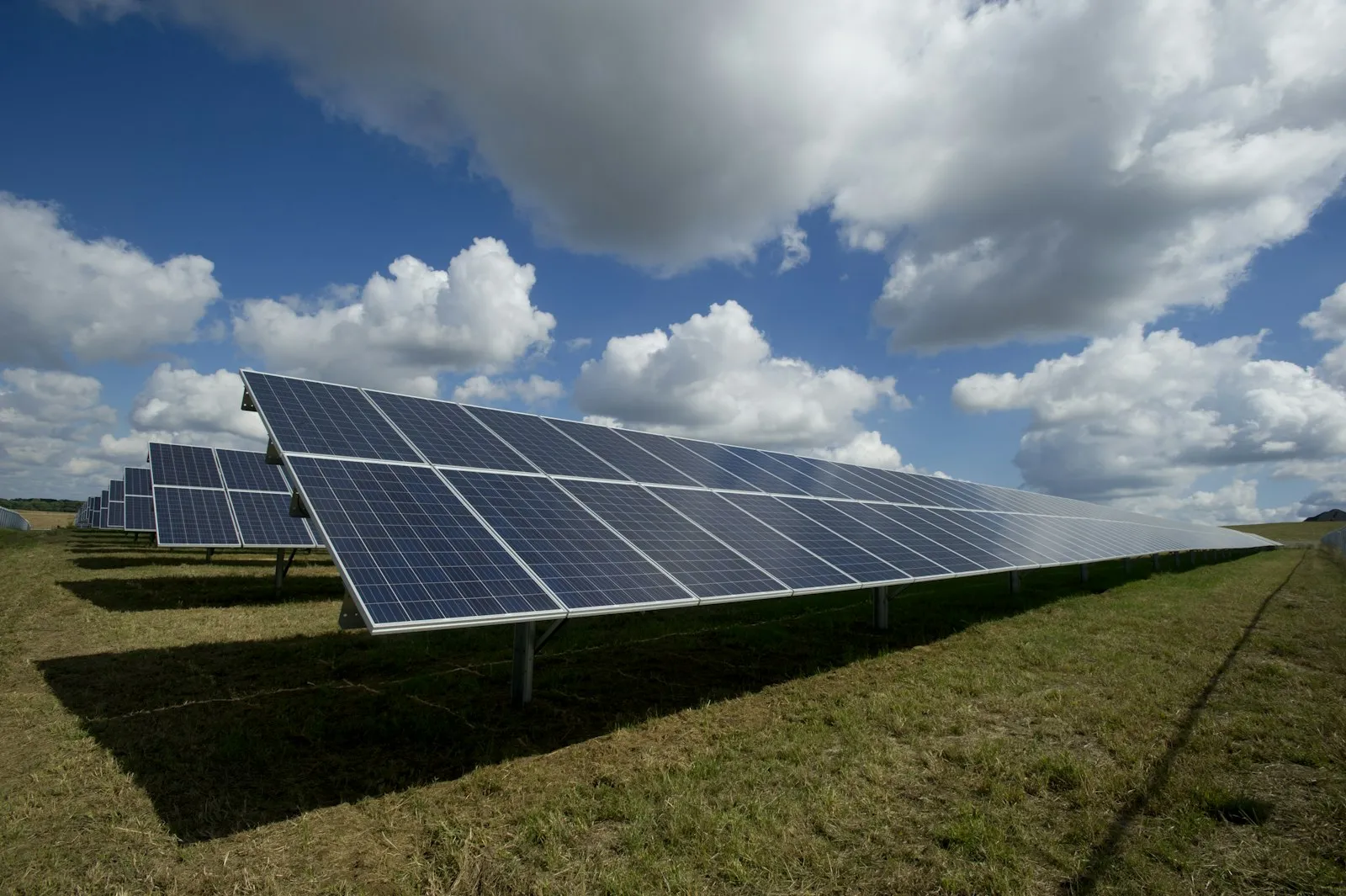
If you have rooftop solar or are thinking about it, energy management becomes even more useful. With production data from the inverter, the system can switch on loads like the water heater or car charger around midday when output is high. More of what you generate gets used at home.

If you are installing an EV charger, linking it to energy management means charging takes both the tariff and the home's current load into account. The charger itself, cable sizing and breaker selection need to be planned with a licensed electrical contractor.

03/06

Savings come from the whole system

On its own, energy management is a measuring tool. The savings mostly come from how it works with other systems:

  • Heating that stops when a window opens and empty rooms dropping to eco mode are handled by smart climate control.
  • Lights left on switching themselves off, and motion-sensing lighting, are the job of lighting control.
  • Blinds lowering against the summer sun take load off the air conditioning.

So it makes more sense to treat energy management as a layer of your home automation than as a separate gadget. In a KNX home, energy meters can sit directly on the same bus.

04/06

For businesses

In offices, shops and small businesses, air conditioning and lighting left on outside working hours can add up without anyone noticing. Automatic shut-off tied to opening hours and regular consumption reports make that waste visible.

05/06

New build or existing home?

In a new build, all it takes is leaving space in the distribution board and adding the meters to the board design. In an existing home you can start with compact meters retrofitted into the board, smart plugs and wireless relays. We check whether there is space in the board and how it is laid out during the survey.

06/06

Things to keep in mind

  • Any change to the distribution board must be made by a licensed electrician and comply with regulations.
  • With automatic socket cut-off, be clear about which devices must never be switched off.
  • Savings vary from home to home. Measuring for a few weeks before setting automation rules gives better results.

To measure your home's or business's consumption and find where you can save, get in touch.

How we work

From first visit to handover in four steps

Smart home projects go wrong when decisions get made on the day of installation. So we split the job into clear stages from the start.

  1. 01

    Site survey

    We visit the home or the building site and look at the wiring, windows and heating system. We also ask how you actually live in the space.

  2. 02

    Design

    We put together a written plan: what gets controlled in each room, wired or wireless, and which scenes you want. You review it with us before any work starts.

  3. 03

    Installation & programming

    We fit the devices, program the system and test every scene on site. On renovation jobs we work to the same schedule as your electrician and other trades.

  4. 04

    Training & support

    At handover we walk through the app, the wall panels and the scenes together. If you want to change a scene or add a device later, just get in touch.

Frequently asked questions

Smart Energy Management questions

Question not listed? Write to us

It depends on the size of the home, the appliances and how you use them, so we don't quote a percentage. Measuring consumption first shows you where savings are possible.

Usually, if there is space. If not, an extra enclosure or plug-in meters are options we look at.

Yes. Consumption monitoring, standby cut-off and scheduling around a multi-rate tariff all work without solar.

Let's plan your smart home

Building new or upgrading the place you already live in? Tell us a little about the property and we will get back to you to arrange a site survey.