
Hotel Automation

Key card energy control, do not disturb and make up room signals, and a guest welcome scene. Monitor every room from reception.

  • Room control unit with key card energy saving
  • Do not disturb and make up room signals
  • Guest welcome scene
  • Every room monitored from reception
How it works at home

Hotel Automation in everyday life

Automation in a hotel room serves two different people. For the guest, the room has to be comfortable and easy to understand: they should be able to switch on the lights and air conditioning at the first try and let staff know when they do not want to be disturbed. For the hotel, the room should not use energy while it is empty, and housekeeping and maintenance should be able to see what is going on in each room without walking up to it.

01/05

The room control unit

Each room has a room control unit. It handles the lighting, air conditioning, curtains, doorbell and status indicators, and connects to the central system over the hotel network. What the guest sees is the key card holder at the entrance, the button panels by the door and the bed, and the door panel in the corridor.

Key card energy control

When the guest puts their key card into the holder by the door, the room powers up. When they take it and leave, the lights go off after a short delay and the air conditioning drops to eco mode. A basic card holder can be fooled with any card. A smart holder accepts only cards registered to that room and can tell a guest card from a staff card. That stops the air conditioning running all day in an empty room.

Do not disturb and make up room

Buttons take the place of the card hung on the door handle. The guest selects "Do Not Disturb" or "Make Up Room" on the in-room panel. The matching light comes on at the corridor door panel, and the request appears on the housekeeping screen at the same moment. While do not disturb is on, the doorbell stays silent. Housekeeping staff can see which rooms are waiting to be cleaned from a list instead of walking the floor.
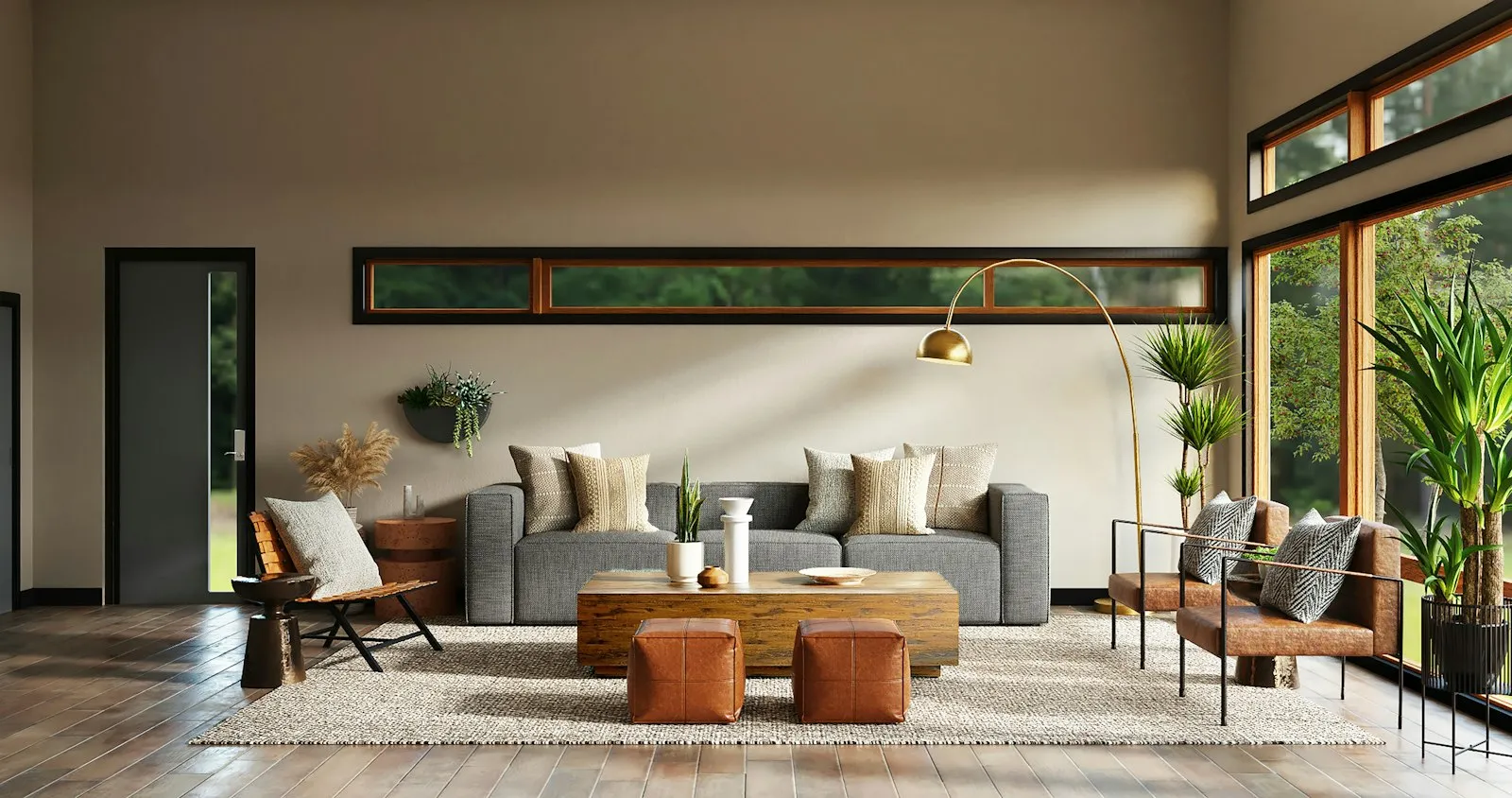
Hotel Automation
Hotel Automation · Samsun
02/05

Guest welcome scene

When a guest first walks into the room, it is ready for them: the curtains open, the entrance and bedside lights come on at a comfortable level, and the air conditioning is already at the set temperature. In the evening, the curtains stay closed and a warmer light is used. If the hotel's property management system allows integration, the room is brought to a comfortable temperature at check-in, before the guest arrives, and goes back to standby after check-out.

What matters most to the guest is understanding what each button does. Panels with icons, short labels and only a few buttons work better than complicated ones with many scenes. There is more on planning lighting scenes on our smart lighting control page.

03/05

Saving energy

Climate control is usually one of the largest energy costs in a hotel, and part of that goes on rooms that are empty or have a window left open. Room automation makes these measures possible:

  • Unsold rooms wait in a low-energy mode.
  • The air conditioning stops when the balcony door or window opens and starts again when it closes.
  • A set time after the guest leaves the room, the lights switch off and the air conditioning moves to an eco temperature.
  • The temperature range guests can set is limited, so extreme settings are blocked.

For the climate side in more detail, see smart climate control.

04/05

Central monitoring

Reception or the maintenance team can see the status of every room on one screen: which rooms are occupied, which have do not disturb on, which air conditioning unit has a fault, which room has a window left open. Maintenance can spot a fault and deal with it before the guest calls to say the air conditioning is not working. Room temperatures can be adjusted remotely, and a floor that will stay empty for a while can be put into standby in one go.

Lighting in shared areas such as the lobby, restaurant and corridors is also run on scenes by time of day. Corridor lighting is turned down at night.

05/05

New hotels and refurbishments

Room automation is easiest to install while the hotel is being built or the rooms are being fully refurbished, when the room control units, panel boxes and sensor cabling can be planned in. In an operating hotel, rooms can be upgraded floor by floor or during the off season. Fire detection and emergency systems in hotels fall under separate regulations, and room automation does not replace them. How the two systems exchange information is dealt with separately in the project.

If you would like to talk about room automation for your hotel, get in touch. We can work through the guest and staff scenarios together using a sample room.

How we work

From first visit to handover in four steps

Smart home projects go wrong when decisions get made on the day of installation. So we split the job into clear stages from the start.

  1. 01

    Site survey

    We visit the home or the building site and look at the wiring, windows and heating system. We also ask how you actually live in the space.

  2. 02

    Design

    We put together a written plan: what gets controlled in each room, wired or wireless, and which scenes you want. You review it with us before any work starts.

  3. 03

    Installation & programming

    We fit the devices, program the system and test every scene on site. On renovation jobs we work to the same schedule as your electrician and other trades.

  4. 04

    Training & support

    At handover we walk through the app, the wall panels and the scenes together. If you want to change a scene or add a device later, just get in touch.

Frequently asked questions

Hotel Automation questions

Question not listed? Write to us

Yes. Installation is usually done floor by floor or in the off season, so few rooms are out of sale at any time. How much wall and ceiling work is needed depends on the existing electrical installation.

That depends on whether your software offers an integration interface. If it does, check-in and check-out information can be passed to the room to change its mode.

No. Fire detection and emergency systems in hotels fall under separate regulations. Room automation works alongside them.

Let's plan your smart home

Building new or upgrading the place you already live in? Tell us a little about the property and we will get back to you to arrange a site survey.