
Smart Lighting Control

Control lighting with scenes, schedules and sensors. Dimming, colour temperature and outdoor lighting all run on one system.

  • One-touch lighting scenes
  • Dimming and colour temperature
  • Motion-activated hallway and bathroom lights
  • Scheduled garden and facade lighting
How it works at home

Smart Lighting Control in everyday life

For most households, lighting is where home automation starts. It makes sense: light switches are what you touch most often in a day. A well-planned lighting control system lets you change the mood of a room with one button instead of a row of six switches.

Home control07:00

One-touch lighting scenes

01/05

What smart lighting can do

In a conventional installation, each switch turns one circuit on or off. With smart lighting, the circuits become part of a system and can act together. That opens up things like:

  • Scenes: presets such as "Dinner", "Guests" or "Movie" that set several lights to the right level with one press.
  • Dimming: ceiling lights, LED strips and wall lights adjustable from a faint glow to full brightness.
  • Colour temperature: with compatible fittings, cooler light in the morning and warmer light in the evening.
  • Motion sensing: hallway, pantry, bathroom and stair lights that come on when you walk in and switch off on their own.
  • Schedules: garden and facade lights that come on at sunset and go off at a set time.
  • Remote control: check from your phone whether you left a light on and switch it off.
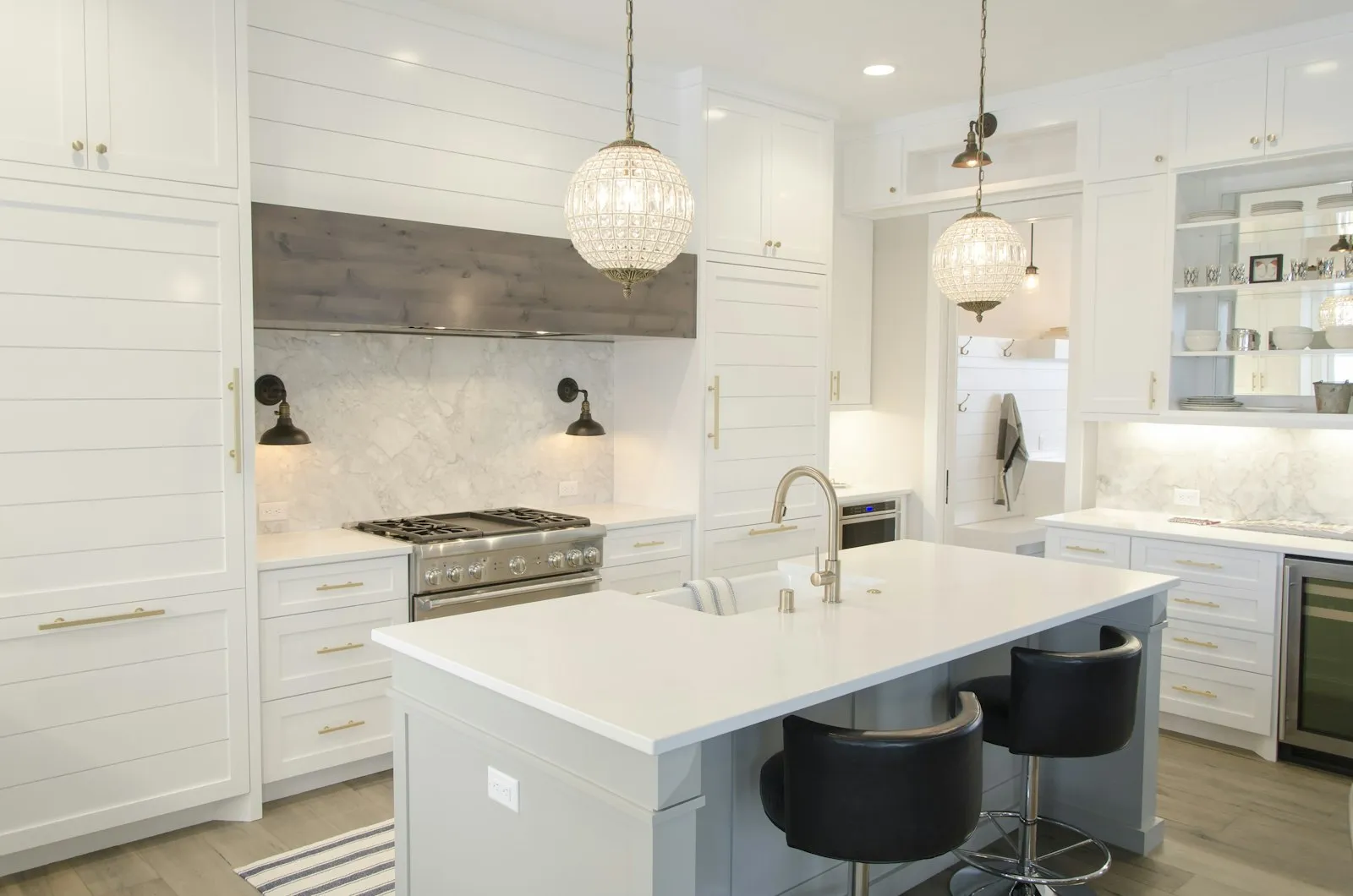
Smart Lighting Control
Smart Lighting Control · Samsun
02/05

Everyday scenarios

Getting up at night

When you get out of bed at night, an LED strip under the bed or along the skirting comes on at a low level. The ceiling light stays off, so nobody gets dazzled or woken up. If no movement is detected for a few minutes, it switches off again.

Leaving the house

One button on the panel by the front door switches off every light in the house. The same button can lower the blinds and set the air conditioning to eco mode, as long as your motorised blinds and shutters are on the same system.

Holiday mode

While you are away, lights in a few rooms can come on and go off at different times in the evening, so the house looks occupied from the street. This works best when it is planned together with your security and CCTV system.

03/05

New builds versus existing homes

If you are building or doing a full renovation

The first-fix stage is the best time to plan lighting. With a wired system such as KNX, lighting circuits run back to actuators in the distribution board, and multi-button keypads replace ordinary switches. This is when you decide which fitting sits on which circuit, which lights dim, and where LED drivers will go. Settling this before the ceilings are boarded saves you from opening up walls and ceilings later.

If you already live there

In an existing flat, wireless modules are the usual choice. They fit into the switch box behind the switch and communicate over Zigbee, Z-Wave or Wi-Fi. You can keep your existing switches or swap them for smart switches, with no need to chase walls.

One thing to watch for: in some older buildings in Turkey, there is no neutral wire at the switch box. Some modules work without a neutral and some don't. We check this during the site survey and choose products accordingly.

04/05

Things to consider before installation

  • Fittings and drivers: not every LED lamp is dimmable. Putting a non-dimmable lamp on a dimmer can cause flicker or buzzing, so fittings and controls should be chosen together.
  • The switch always works: phone and voice control should be extras. When a guest or an older family member presses the switch on the wall, the light should come on.
  • Keep scenes manageable: ten scenes per room gets confusing fast. Three or four well-chosen scenes are enough for most rooms.
  • Outdoor lighting: garden, balcony and facade fittings need to handle moisture. On the Black Sea coast, the ingress protection rating of outdoor fittings is worth checking.
  • Room to grow: even if you only automate the living room now, pick a platform you can extend. Switching systems later is more hassle.
05/05

Start with lighting, then build on it

Many homeowners start with the living room and entrance, see which tasks they repeat every day, and expand from there. The real difference shows when lighting, blinds, climate and security share the same scenes. In a new build, all of this can sit under a single KNX home automation system.

If you would like to talk through a lighting plan for your home, get in touch. During the site survey we go room by room and put a lighting plan together with you.

How we work

From first visit to handover in four steps

Smart home projects go wrong when decisions get made on the day of installation. So we split the job into clear stages from the start.

  1. 01

    Site survey

    We visit the home or the building site and look at the wiring, windows and heating system. We also ask how you actually live in the space.

  2. 02

    Design

    We put together a written plan: what gets controlled in each room, wired or wireless, and which scenes you want. You review it with us before any work starts.

  3. 03

    Installation & programming

    We fit the devices, program the system and test every scene on site. On renovation jobs we work to the same schedule as your electrician and other trades.

  4. 04

    Training & support

    At handover we walk through the app, the wall panels and the scenes together. If you want to change a scene or add a device later, just get in touch.

Frequently asked questions

Smart Lighting Control questions

Question not listed? Write to us

Not always. Wireless modules usually fit behind your current switches. You can also move to smart switches with scene buttons if you prefer.

No. The lamp or LED driver has to be dimmable and compatible with the type of dimmer used. We look at your existing fittings during the survey and suggest changes where needed.

Lights that switch themselves off, motion-controlled areas and lower dimming levels all reduce consumption. How much you save depends on how the household uses the lights.

Let's plan your smart home

Building new or upgrading the place you already live in? Tell us a little about the property and we will get back to you to arrange a site survey.